Cartridge
A native macOS front end for nxnative, the project that runs a Switch game’s code natively on Apple chips. It sets up the tools in one click (Xcode, Homebrew, .NET, and nxnative’s Python packages in a private environment, and downloads nxnative from its official repository), reads each game’s title ID and versions from a folder, flags games nxnative hasn’t tested and a lack of free space, and builds a Mac app or an iPhone and iPad IPA with progress for each stage. Mac games launch from its home screen, with keyboard or controller navigation, and the app checks daily for new versions of itself and of nxnative. It ships or downloads no games, firmware, or keys, and doesn’t redistribute nxnative. It published five releases between October 26 and 27; the latest is 1.3.0. All 6 of its commits list Claude as a co-author.
- Type
- Launcher
- Consoles
- Switch
- Author
- rbxrootx
- Stars
- 6
- Last activity
- 2026-10-27 · 15 days ago
- Latest version
- v1.3.0 · 2026-10-27
- License
- MIT
- Language
- Swift
Type and pick from the list; if it isn’t there, type it and press Enter. For a launcher, the games it installs; for a generic tool, leave it empty.
README badge
If this is your project, you can add it to its README: it shows its status on Recompendium and updates itself when the status changes.

[](https://recompendium.com/en/tool/cartridge/)Recomps it can launch 41
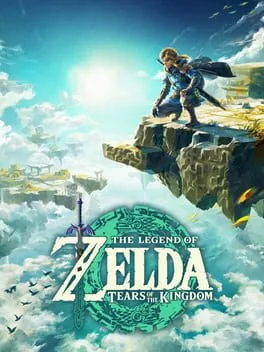
The Legend of Zelda: Tears of the Kingdom (valentderah)
valentderah/totk-pc-recomp
A static recompilation of The Legend of Zelda: Tears of the Kingdom into a native Windows x86-64 application. The installer builds the game on your PC from your files, and the result contains the game, so it is for your own use only. The README describes it as early development: it is playable on Windows, but visual bugs and crashes are expected. It supports updates 1.2.1 and 1.4.3 with saves that carry over between them, 60 fps by default (up to 144 or the monitor’s refresh rate, experimentally), custom resolutions with supersampling and AMD FSR 1, keyboard, mouse, and gamepad with gyro, and shaders prepared at install time. The first release came out on October 29. On the 31st, 0.1.9 added ultrawide resolutions and 0.2.1 a native Linux build as an AppImage, with Steam Deck defaults that haven’t been measured on one yet; mods made for emulators are still planned. 66 of its last 100 commits list Claude as a co-author.
You needYour own copy of The Legend of Zelda: Tears of the Kingdom for Nintendo Switch, dumped from your console: the base game and the 1.2.1 or 1.4.3 update. Windows 10 or later, an x86-64 CPU with AVX2, a GPU with Vulkan 1.3 and VK_EXT_external_memory_host, and about 36 GiB free during setup (20 GiB after).
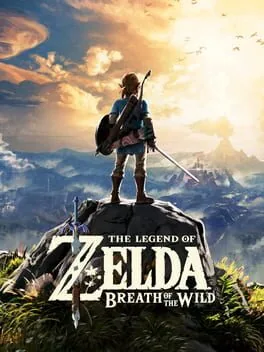
The Legend of Zelda: Breath of the Wild
Revivedx/SavageWindRecomp
Savage Wind Recomp: a still-in-development static recompilation of Breath of the Wild (Switch, version 1.8.2) into a native application for Windows and Linux, built on LAS Recomp. The README states the project is made almost entirely with AI (Claude, through Claude Code), directed, tested, and reviewed by a human. On first launch it asks for your already-extracted game and recompiles the code on your machine, about 40 minutes on a 12-thread CPU. Alpha 2 (October 22, 2026, a pre-release with a Windows package only) plays the opening in the Shrine of Resurrection and the Great Plateau at 60 fps, with sound, voices, HUD, saving, keyboard and mouse, native resolution up to 4K or FSR 1, and 15 text and 8 voice languages; nobody has played past the Great Plateau, so bugs are expected. DLC isn’t supported yet. Changes under testing live on the “test” branch.
You needYour own copy of Breath of the Wild for Switch with the 1.8.2 update, extracted from your console: the ExeFS (main, main.npdm, rtld, sdk, subsdk0) and the RomFS with the update applied. No DLC. Windows 10 or later with an AVX2 CPU and a Vulkan 1.3 GPU, plus about 35 GB of free space; the README also mentions x86-64 Linux.
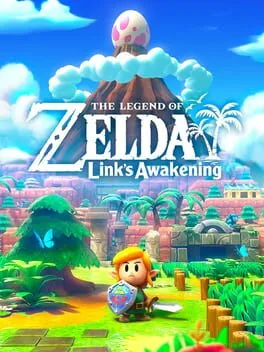
The Legend of Zelda: Link's Awakening
peiikai/LASRecomp
LAS Recomp: a static recompilation of the Switch version of Link’s Awakening for Windows, Linux, and Apple Silicon macOS (Vulkan on Windows and Linux, Metal and MetalFX on Mac). The recompilation runs on your PC on first launch, from your own game files. It has an unlocked aspect ratio (21:9, for example), keyboard and controller with everything remappable, an in-game menu, and randomizer seeds you can switch without restarting. It’s in beta. Its author notes that nearly all of the code, tooling, and documentation was written by an AI (Claude, through Claude Code).
You needYour own extracted game files of Link’s Awakening, version 1.0.0. The project doesn’t explain how to obtain them.
The Legend of Zelda: Tears of the Kingdom (kuraeow)
kuraeow/ultratears
UltraTears is an unofficial native Windows port of version 1.4.3 for the Switch. It isn’t an emulator: the game’s code is translated ahead of time (static recompilation, ARM64 to C to x86-64), and the console’s system and NVN graphics API are replaced by the port’s own implementations on Windows and Vulkan; shaders and textures are converted when the game is built, not while playing. No executable with the game is published: you download a builder that translates and compiles the game on your PC from your own dump, or build from source. The README calls it early: the title screen, a new game, the prologue and the Great Sky Island play, at the game’s own 30 fps with hitches while new shaders compile. Steam Deck and Linux are planned. The only release, v0.1.0-beta, is from October 25. 1 of its 3 commits lists Claude as a co-author.
You needYour own copy of The Legend of Zelda: Tears of the Kingdom with update 1.4.3, as two ordinary folders: exefs (main, subsdk0, sdk, main.npdm…) and romfs (about 304,000 files, 16 GB). .nsp, .xci, .nca and other encrypted packages don’t work, and it reads no keys. Plus 64-bit Windows 10 or 11, a CPU with AVX2, a GPU with Vulkan 1.3 and VK_EXT_shader_object, 16 GB of RAM, and about 32 GB free for the build.
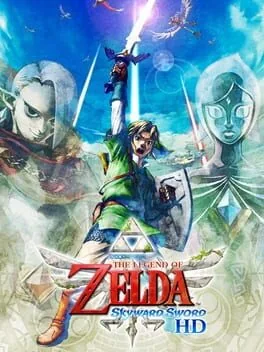
The Legend of Zelda: Skyward Sword HD
Apolinario-coder/SkyRecomp
Sky Recomp: a static recompilation of the Switch version of Skyward Sword HD for Windows, Linux, and macOS. The game’s ARM64 instructions are translated to C and compiled as native code (x86-64 with AVX2 and FMA, or ARM64 on Apple silicon Macs), and the console’s graphics are translated to Vulkan 1.3 on Windows and Linux and to Metal 3 with MetalFX on macOS. Much of its architecture (the recompiler, the graphics translation layer, the runtime, and the launcher) comes from LAS Recomp, the Link’s Awakening port, adapted to this game. It runs at 60 fps at the resolution you choose, ultrawide included, with FSR 1 or NVIDIA Image Scaling upscaling, controller or keyboard and mouse, button icons for the controller you use, an in-game settings menu (Esc), and a mod manager with LayeredFS. Version 1.0.5 (October 20) added an experimental 120 fps mode and fixed crashes with an NPC and on entering a cave; the author notes random crashes may still happen.
You needYour own Skyward Sword HD files, version 1.0.0 without updates: the folder of extracted files or, per the repository’s instructions, the .nsp or .xci with your console’s prod.keys and title.keys. The project doesn’t explain how to obtain them. Plus 64-bit Windows 10 or 11, Linux with glibc 2.35 or later, or macOS 11 or later; a CPU with AVX2 and FMA or an Apple silicon Mac; a Vulkan 1.3 graphics card (Metal 3 on Mac); 8 GB of RAM (16 recommended); and about 15 GB of free space.
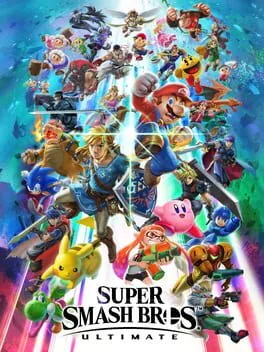
Super Smash Bros. Ultimate (ssbu-recomp)
OpenSmash-Ultimate/ssbu-recomp
OpenSmash-Ultimate: a native Windows port of Switch version 13.0.4 or 13.0.5, made by statically recompiling the AArch64 code to C, with its own runtime reimplementing the system libraries, the NVN graphics API on Vulkan, audio, video, input, and the file system. An installer finds your keys and game, applies the update and DLC, and builds the game on your PC, with no Visual Studio and no firmware (the fonts are open source). It runs at 59–60 fps in fights by its author’s measurements, with in-game settings, any controller, and the fighter scripts converted into readable C++ checked against the original, which enables mods. Online play is experimental: Local Wireless works over a LAN, a room code, or a lobby server; rollback is in progress. Its author states that almost all of the code was written by AI coding agents (Claude) under the author’s direction.
You needYour own dump of Super Smash Bros. Ultimate (version 13.0.4 or 13.0.5) and the keys from your own console; DLC is optional. Plus 64-bit Windows 10 or 11 and a graphics card with Vulkan.
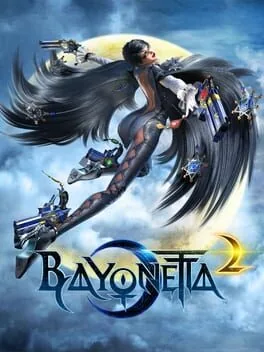
Bayonetta 2
K0NL/B2recomp
B2recomp: an unofficial static recompilation of the Switch version for Windows. The AArch64 code is translated to C on your own PC, from your dump, and runs on a reimplemented system layer (threads, file system, audio, input, and the NVN graphics API on Vulkan). The compiled game is never published: what you download is the source and a package with the tools to build it, about 5 minutes on a fast PC. In its author’s tests, the prologue plays through with no crash and chapter 1 was played by hand past its first part; later chapters are being tested. It has resolution scaling, windowed or fullscreen modes, and, in beta, up to 120 fps. A Linux version is in testing. The lifter and runtime started from OpenSmash-Ultimate’s, and its author states that AI helped with the reverse engineering.
You needYour own extracted copy of Bayonetta 2 with update 1.2 applied (ExeFS and RomFS as plain files; encrypted packages aren’t accepted). Plus 64-bit Windows 10 or 11, a graphics card with Vulkan 1.3, and about 1.5 GB free for the builder package.
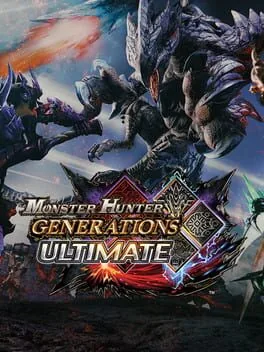
Monster Hunter Generations Ultimate
morerokk/MHGURecomp
A native PC port of Monster Hunter Generations Ultimate (Switch version 1.4.0), made by statically recompiling the game’s 32-bit ARM code to C and running it on a host runtime: the Switch’s system services and the NVN graphics API are reimplemented on Windows, with Vulkan for rendering. The README describes it as fully playable, with possible bugs, and says multiplayer also works. It adds graphics settings (resolution, MSAA, FXAA, supersampling, VSync), any widescreen aspect ratio, a frame rate cap from 30 to 240 fps, support for almost any controller, experimental keyboard and mouse controls, mod support, and cheat codes in the Ryujinx and Atmosphère format. Online multiplayer arrived with 0.11.2 on October 29, the first public release to include it. 72 of its last 100 commits list Claude as a co-author.
You needYour own copy of Monster Hunter Generations Ultimate for Nintendo Switch, version 1.4.0 (title ID 0100770008DD8000; the main executable’s build ID starts with FB08F1D20FD1204F), with the exefs and romfs folders and the updates already applied. 64-bit Windows 10 or 11, or Linux, an AVX2 CPU (2014 or newer), a GPU with Vulkan 1.2 and at least 1 GB of VRAM, and 4 GB of RAM.
The Legend of Zelda: Tears of the Kingdom (NotRexed)
NotRexed/SkyboundTotk
An experimental static recompilation project of the base game version 1.0.0 for Windows x64 and Linux x86-64: the AArch64 code is translated to C ahead of time and compiled on your PC, a runtime implements the services the game expects, and the renderer translates the graphics work and shaders to WebGPU (wgpu-native). It is not a general Switch emulator. The README warns of graphical problems and incomplete compatibility, and that some graphics translation still happens at run time; a contribution added version 1.2.1. F6 tries to adjust the camera and HUD to wider screens and is off by default. It has no published releases: you build it with build.bat or from source. 21 of its 32 commits list Claude as a co-author.
You needYour own unmodified copy of base version 1.0.0 (or 1.2.1), with exefs and romfs already extracted into the project’s game folder (it doesn’t extract .nsp or .xci). Plus 64-bit Windows 10 or 11 or x86-64 Linux with Vulkan, Python 3.10 or newer with lz4, Visual Studio 2022 Build Tools on Windows, clang, clang++ and lld, and at least 45 GB free in addition to the dump.
Super Smash Bros. Ultimate (WindowSmash)
OpenSmash-Ultimate/WindowSmash
WindowSmash: an experimental native Windows port of Switch version 13.0.5, the game’s last update, built with its own static recompiler and runtime. The recompiler finds the functions in the AArch64 code (NEON included), also those in the fighter modules, which are loaded when the game asks for them, and translates them to C, which Clang compiles on your PC; the runtime implements the system services the game uses, turns its graphics into Direct3D 11 and its shaders into HLSL, compiled the first time each one appears (a tool can prepare them ahead of time). An installer sets up Python, the compiler, and SDL3 if they’re missing, finds your files, applies the 13.0.5 update, and builds the game, which takes from 30 minutes to a few hours; the repository publishes no prebuilt game. It supports up to eight controllers plus the keyboard, windowed, borderless, or fullscreen at 16:9, the DLC fighters you own, and a tool that unlocks the base-game roster on your save. Online play uses Local Wireless through an internet relay, with open rooms, lobby codes, or player-hosted rooms, and the game’s own Online mode is being tested against a server that’s part of the project, with no connection to Nintendo. According to the project, menus and matches run, but much of it hasn’t been widely tested; complete matches between two PCs, for example, haven’t been fully verified. It can also be built, experimentally, on Linux, using DXVK on Vulkan, and on Apple silicon Macs, with a Metal renderer of its own. It’s a separate project from the OpenSmash-Ultimate recomp (ssbu-recomp), which adapted part of its network code and its lobby design with permission; both repositories now live in the same GitHub organization. 64 of its last 100 commits list Claude as a co-author.
You needYour own dump of Super Smash Bros. Ultimate at version 13.0.5: the game (ideally 1.0.0) with its 13.0.5 update as an .nsp, a dump with 13.0.5 already merged in, or the game installed and updated in yuzu or Ryujinx; DLC is optional. Also your own console’s keys (prod.keys and title.keys) and firmware, which the fonts come from. Plus 64-bit Windows 10 or 11, a CPU with AVX2, a DirectX 11 graphics card, 16 GB of RAM recommended, and about 60 GB free plus room for your files (about 17 GB). Linux and macOS 14.5 or later on Apple silicon, experimentally.
⑂ Fork of valentderah/totk-pc-recomp
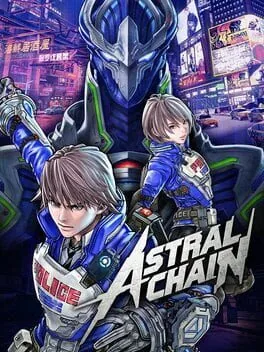
Astral Chain (captainj-sparrow)
captainj-sparrow/astral-chain-pc-recomp
A static recompilation of Astral Chain, the 2019 Switch game, into a native Windows x86-64 application with a Vulkan renderer, built on the pipeline of TotK Recomp, Valiantsin Dzerakh’s Tears of the Kingdom recompilation, which is also in the catalog. Its installer extracts the game’s data, merges the 1.0.1 update, lifts the code to C, and builds astralchain.exe on your PC, so the result contains the game and is for your own use only; it ships no game data and no code derived from it. The README says it is playable through the story, with its audio and save data, and that outside testing (Reddit, YouTube) has taken it from the intro to the credits with no known visual issues. It runs at 60 fps by default (with a 30 fps option and a cutscene speed fix), with custom resolutions, FSR 1 upscaling up to 4K, anisotropic filtering up to 16x, an in-game settings menu (F1), keyboard, mouse, and gamepad with remapping, rumble, and gyro, and mods and cheats in the emulator formats. Shaders are built during play; preparing shaders at install and a Linux release remain planned. It published seven releases between November 3 and 4; the latest, 0.3.0, adds 60 fps and the 1.0.1 update. There is another Astral Chain recompilation in the catalog.
You needYour own copy of Astral Chain for Switch, dumped from your console: the base game (version 1.0.0, XCI or NSP) and the 1.0.1 update (NSP), and your keys (prod.keys). 64-bit Windows 10 or 11 (x86-64 with at least SSE4.2), a Vulkan 1.3 graphics card, about 14 GB for the installed folder, and about 11 GB of temporary space while the update is merged.
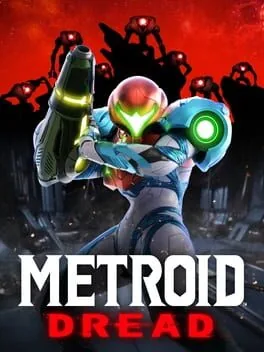
Metroid Dread
yozander2009-stack/Metroid-Dread-Recomp
A single Windows executable that sets up, configures, and runs a native PC build of your own copy of Metroid Dread 2.1.0. It is the SwitchRecomp runtime (by MZ Labs) with a Metroid Dread front end: a first-run setup that compiles the game with a bundled GCC, a Play and settings screen, and an in-game menu. The renderer is ScarletNX’s native Vulkan renderer, vendored in the repository, with the project’s own DLSS code. The repository contains no Nintendo files: only anchored patches applied to the C that setup generates from the player’s ExeFS, and a manifest of RomFS file names, sizes, and hashes used to verify it. The README warns that it is a work in progress and that the 0.x builds are early previews, with crashes and rough edges. Version 0.5.0, from October 30, reached Linux and the Steam Deck, where it was tested, with a self-updating AppImage. It states that large parts of the project were written with Claude; 38 of its 41 commits list Claude as a co-author.
You needYour own dumped copy of Metroid Dread 2.1.0 for Nintendo Switch, with both parts: the ExeFS (the game code) and the RomFS (the data, with the 2.1.0 update merged in). A RomFS alone is not enough. Windows, or Linux and the Steam Deck since 0.5.0, with its AppImage.
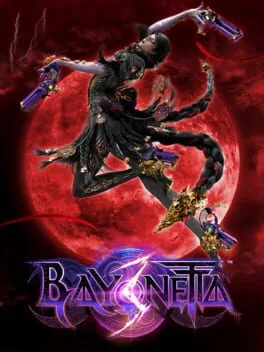
Bayonetta 3
Zexyen/Witch-Time
An unofficial static recompilation for PC, in the spirit and architecture of B2recomp: the game’s AArch64 code is translated to C on your PC from your dump and runs on a reimplemented system layer (threads, file system, input, audio, and NVN on Vulkan). It isn’t an emulator. The README’s status table says it boots and plays, at 60 fps in the parts tested (Tokyo and Shibuya), with occasional short hitches; menus and cutscenes run at 30 by default and can run at 60; the default resolution is the game’s own 1600x900 and can be raised up to 4K with a scale factor. It supports controllers and keyboard with mouse (the keyboard tested only with synthetic events), and has an in-game PC settings panel. The releases bring their own compiler, the already built runtime and the build tool, for Windows and Linux; v0.4.5 is from October 31. 69 of its last 100 commits list Claude as a co-author.
You needYour own dump of Bayonetta 3 in one folder with exefs (main, sdk, subsdk0, rtld, main.npdm, plain NSO files) and romfs (the .pkz archives and movie/), extracted with your own tools; the project decrypts nothing and its verify step only accepts the build named in the code. Plus 64-bit Windows 10 or 11 or x86-64 Linux, with a Vulkan driver (and OpenGL on Linux).
The Legend of Zelda: Tears of the Kingdom (daniel-madrid-07)
daniel-madrid-07/weeping-of-the-empire
Weeping of the Empire: a native Tears of the Kingdom for Windows and Vulkan, made by static recompilation. The game’s ARM64 code is recompiled ahead of time to x86-64 on your PC, a runtime answers the Switch’s system services, and graphics run on Vulkan; it isn’t an emulator. It supports game version 1.0.0 and, in beta, 1.4.3, and imports saves from later versions by converting them to 1.0.0. It offers 30 to 240 fps or unlocked, any resolution and ultrawide, HDR and VRR (not measured), DLSS, FSR 3.1 and frame generation, keyboard and mouse, Xbox, PlayStation, and Switch controllers, an in-game settings menu (F10), RomFS mods made for emulators, ExeFS code patches, and Atmosphère cheats. The author measured performance on one PC only (a Ryzen 7 9800X3D with an RTX 5080) and warns of lighting differences in parts of the Depths, stutter the first time a place is visited, and a graphics-device-loss crash it hasn’t been able to reproduce. Its installer downloads an optimization profile and a shader list (hashes and render states) made on the author’s PC while playing, which LEGAL.md details. The README states that most of the code is written by AI coding agents directed by one developer. The latest release, 0.1.9.1, is from November 4, one of 15 published; there is also an unchecked Linux test build.
You needYour own copy of Tears of the Kingdom 1.0.0 dumped from your console (.nsp or .xci; also .nsz, .xcz, or an unencrypted .nup, which needs no keys) and your own keys (prod.keys). For the 1.4.3 beta, also your dump of the 1.4.3 update. Optional: your console’s firmware, for the Korean and Chinese fonts. 64-bit Windows 10 or 11, a Vulkan 1.3 GPU, an NTFS drive with about 15 GB free (Setup says if it needs more; one install peaked at about 39 GB), and 30 to 60 minutes to install by its own estimate. Linux and Steam Deck through Proton are experimental and untested.
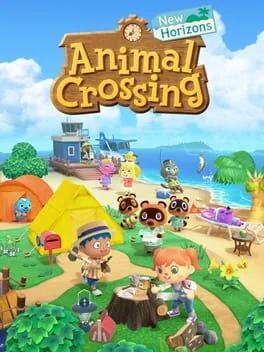
Animal Crossing: New Horizons
Nycolazs/ACNHRecomp
ACNHRecomp turns the AArch64 code of Animal Crossing: New Horizons into C++ ahead of time and compiles it for your computer; it is not an emulator. The system services the game calls are reimplemented natively and its NVN graphics calls are translated to Vulkan. It is built on the SuperMarioWonderRecomp framework. According to the README, boot, character creation, the opening movie, and free roaming on the island work at 30 frames per second; the first save hasn’t been verified in a full playthrough, native 60 fps isn’t done, and online features are unavailable. Builds exist for Windows, Linux, macOS (Apple Silicon), and Android. The latest, 0.6.0 (October 29), is presented as ready to play with ACNHRecomp-Importer. The README states that nearly all the new code was written by Claude, directed and tested by a person. 81 of its last 100 commits list Claude as a co-author.
You needA folder with the executables and files of your own copy of Animal Crossing: New Horizons for Nintendo Switch (title ID 01006F8002326000; version 3.0.2 recommended, 3.0.3, 2.0.7, and 1.0.0 supported), prepared by you. The project does not decrypt or unpack the game’s containers.

Pokémon: Let's Go, Pikachu! / Let's Go, Eevee!
raulzrrs/letsgo-recomp
Let’s Go Recomp: a native Windows port of Pokémon: Let’s Go, Eevee! and Let’s Go, Pikachu! (Switch), made by static recompilation on top of Peiikai’s LAS Recomp: the game’s ARM64 code is translated to C and compiled for your PC, and a runtime of its own stands in for the console (system services, NVN graphics on Vulkan, audio, and controllers). The README warns that the game hasn’t been completed from start to finish on this port yet. Version 0.7.0 (October 24, 2026) has internal resolution up to 4K, SMAA, TAA, or AMD FSR 3.1, ambient occlusion and global illumination, the game’s 30 fps or experimental 60 and 120 fps, frame generation, a 2x-resolution interface, keyboard and mouse, controllers, and LayeredFS mods such as fan translations; it includes catching during wild battles (experimental) and an option to skip the controller selection screen. Online features, the Poké Ball Plus, and the second player aren’t supported. Code under the MIT license.
You needYour own dump of Let’s Go, Eevee! or Let’s Go, Pikachu!, from any region, at version 1.0.0 (the 1.0.1 and 1.0.2 updates are accepted but less tested and lack some options); .xci and .nsp files must be extracted first, and you point it at the folder with exefs and romfs. 64-bit Windows 10 or 11, an x86-64 CPU with SSE4.2 (AVX2 recommended), a Vulkan 1.3 GPU, about 4 GB of RAM, and 6 GB of disk.
⑂ Fork of valentderah/totk-pc-recomp
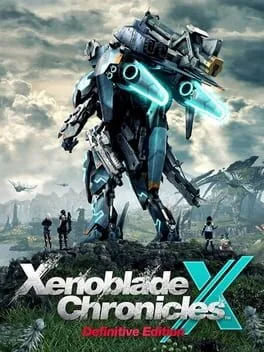
Xenoblade Chronicles X: Definitive Edition
jmars125/xcx-recomp
XCX Recomp: a static recompilation of Xenoblade Chronicles X: Definitive Edition, the 2025 Nintendo Switch release, into a native Windows x86-64 application with a Vulkan renderer. It builds on TotK Recomp, Valiantsin Dzerakh’s Tears of the Kingdom recompilation, which is also in the catalog. Its installer, XCX-Setup, builds the game on your PC from your files, and the result contains the game, so it is for your own use only. The README describes it as early development: starting a new game, cutscenes, and gameplay work on Windows with sound, text, and menus, at 60 fps by default (30 to 360 in the settings; above 60 is experimental). It supports update 2.0.0 and the add-on content, and has an in-game settings menu (F1), a performance overlay (F10), and keyboard, mouse, and gamepad support. The first release came out on October 31, and 0.1.4, on November 1, added a Linux build as an AppImage. 0.1.13 fixed the crash at boot on Linux, which the person who reported it confirmed on a Steam Deck, and fit the interface to ultrawide screens, with the Load Game screen and the models in some menus still stretched. The latest is 0.1.14 (November 2), which gets movies playing on Linux. Mods made for emulators are still planned. According to the README, most of the code and documentation is written by AI coding agents (Claude Code) under its author’s direction, who plays every build and decides what gets merged.
You needYour own copy of Xenoblade Chronicles X: Definitive Edition for Nintendo Switch, dumped from your console: the base game and the 2.0.0 update as NSP files (the add-on content is optional), plus your console’s keys (prod.keys). Windows 10 or later, an x86-64 CPU with AVX2, a GPU with Vulkan 1.3 and VK_EXT_external_memory_host, and about 36 GiB free during setup (20 GiB after). There is also a Linux build.
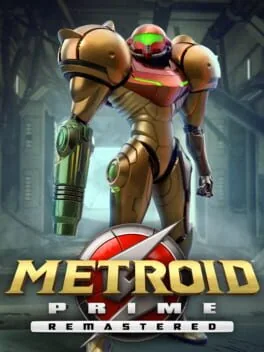
Metroid Prime Remastered (gminustwo)
gminustwo/primerecomp
PrimeRecomp runs Metroid Prime Remastered, from the Nintendo Switch, natively on Windows, macOS (Apple Silicon), and Linux, including the Steam Deck. The game’s code is statically recompiled from the Switch’s ARM64 to C and compiled for your PC, and the console’s system services and NVN graphics are reimplemented with Vulkan; no emulator runs. It is built on Peiikai’s LAS Recomp, which the README credits for nearly everything that makes it possible. It offers mouse aiming that aims directly, ultrawide and any aspect ratio, 30, 60, or 120 frames per second, Steam Deck presets, gyro aiming, and skippable cutscenes. The README warns of numerous graphics issues. The latest release, 0.0.4 (October 29), is an early beta. 97 of its last 100 commits list Claude as a co-author.
You needYour own copy of Metroid Prime Remastered for Nintendo Switch, version 1.0.0 (no updates), dumped from your console and extracted into a folder holding exefs and romfs. 64-bit Windows 10 or 11, 64-bit Linux with glibc 2.35 or newer, or a Mac with Apple Silicon and macOS 15 or newer; on Windows and Linux, an AVX2 CPU and a GPU with a Vulkan 1.3 driver. About 15 GB free.
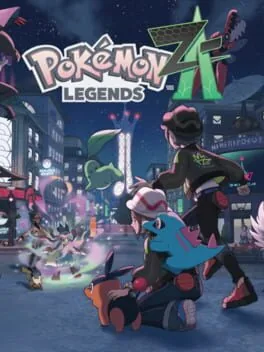
⑂ Fork of peiikai/LASRecomp
Pokémon Legends: Z-A (Hexveil404)
Hexveil404/PokeZ-ARecomp
An unofficial native Windows port made by static recompilation: the Switch’s ARM64 code is translated ahead of time to C and compiled for x86-64 on your PC, and the console’s operating system and GPU (NVN) are reimplemented on top of Vulkan. It isn’t an emulator. It is a fork of LAS Recomp by peiikai, the recompiler made for The Legend of Zelda: Link’s Awakening, with 208 commits of its own ahead. It offers 60 fps or 30 as on the console, internal resolution from 25% up to 4x, FSR 1, SMAA or FSR 2, HDR, ambient occlusion, HD texture packs, SDL3 controllers, keyboard and mouse with a mouse camera, a mods manager, and save backups. Linux x86-64 is experimental. v0.1.13 (October 31) is the latest of 22 releases; 96 of its last 100 commits list Claude as a co-author. A separate macOS port, MonZaMac, is based on this project.
You needYour own copy of Pokémon Legends: Z-A 1.0.0, 2.0.0 or 2.0.2, optionally with the Mega Dimension DLC: the already extracted exefs and romfs folders, or a dump of the base game (.xci or .nsp) with the prod.keys from your own Switch. Plus 64-bit Windows 10 (1903 or newer) or 11, an x86-64 CPU with AVX2, a Vulkan 1.2 or newer GPU, 8 GB of RAM (16 GB recommended), and about 12 GB free.

Super Mario Maker 2 (smm2recomp)
smm2recomp/smm2recomp
SMM2 Recomp: a native port of Super Mario Maker 2 (version 3.0.3) for macOS, iOS/iPadOS, Windows, Linux, and Android, made by static recompilation: the game’s AArch64 code is translated to C and compiled for your platform, and a runtime of its own stands in for the Switch’s system services, with graphics on Metal or Vulkan. What you download is a launcher with the recompiler, not the game: on first start it checks your dump and recompiles the code on your machine. It adds the 100 Mario Challenge from Super Mario Maker 1, a Course World without Nintendo’s servers (with an open-source server you can host yourself or TGRCode’s public archive), SMM1 features as mods with their own switches, co-op in Endless Challenge and 100 Mario, and editing any downloaded course. Version 0.5.1 (October 24, 2026) has packages for Windows x64, Linux x64 and arm64, and Apple silicon macOS. 92 of its last 100 commits list Claude as a co-author. Licensed GPL-3.0.
You needYour own copy of Super Mario Maker 2 with the 3.0.3 update (the game’s NSP or XCI plus the update’s NSP, or their extracted ExeFS and RomFS folders), plus your console’s prod.keys and firmware, which the game’s fonts come from. Windows 10 or 11 x64 with Vulkan 1.3, Linux (x64 or arm64) with SDL3 3.2 or later and Vulkan 1.3, or macOS 15 or later on Apple silicon.

Pokémon Brilliant Diamond
Veemyu/strahlender-xnu
Pokémon Brilliant Diamond as a native app for iPad, iPhone, Mac, Linux, and Windows, made by static recompilation: the game’s own ARM64 code is translated ahead of time into native code and a small runtime replaces the Switch operating system and its graphics API (Metal on Apple devices, Vulkan on Linux and Windows). It is not an emulator. A graphical installer for macOS, Linux, and Windows guides you through keys, game files, and the build; the iPhone and iPad apps are built on a Mac with Xcode and signed with your own Apple ID, and the IPA export embeds the data from your own dump (about 5.3 GB, for your own devices only). It generates the app icons from your game data, supports swappable file mods (RomFS) and built-in code mods (ExeFS), and uses the Switch’s own system keyboard (it needs your firmware during the build). Linux aarch64 is experimental and Apple TV is planned. The README says the repository contains no game data, keys, or generated code, that the iPhone was tested on an iPhone 11 Pro Max and macOS only on macOS 26; the stated minimum systems haven’t been tried. It is built from parts of LASRecomp. Its latest release, from November 4, is installer 0.1.5 (the repository only publishes installers, in 8 releases since October 30, of about 100 MB each with Python included, and we haven’t checked inside them). None of its last 100 commits list Claude as a co-author. The repository replaced a Unity reimplementation that its author discontinued.
You needYour own copy of the game (XCI and, optionally, the update NSP) and your own prod.keys. For iPhone and iPad, a Mac with Xcode and your Apple ID, and about 5.3 GB free for the IPA with data; an iPhone 11 or newer (A13, 4 GB of RAM or more) with iOS or iPadOS 17 or later. For Mac, Apple Silicon and macOS 14 or later (tested only on macOS 26). For Linux, x86-64 with Vulkan 1.3; for Windows, 64-bit 10 22H2 or 11.
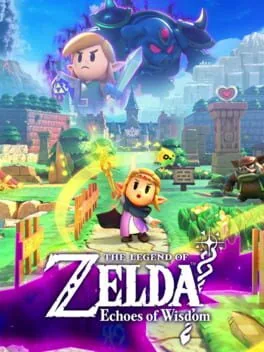
The Legend of Zelda: Echoes of Wisdom
Nycolazs/EoWRecomp
EoWRecomp: a work-in-progress static recompilation of the Switch version 1.0.0 into a native PC program. The game’s ARM64 code is translated to C and compiled for x86-64, and a runtime replaces the Switch’s operating system and its NVN graphics API, drawing with Vulkan. It builds on LAS Recomp, the equivalent project for Link’s Awakening, also by Grezzo. It isn’t playable yet: it boots, shows the prologue, and reaches the first controllable scene with working input, but performance, verified audio, saves, and several effects are still missing. Alpha 1 (October 21) is a preview of the app, not of the game: the macOS (Apple Silicon) and Android builds install and set the game up from your own files, but the recompiled game has only been run on Linux. The Windows build is cross-compiled from Linux and hasn’t been tested yet. Its author states that it’s developed almost entirely with AI (Claude, through Claude Code), directed and tested by the author.
You needYour own copy of The Legend of Zelda: Echoes of Wisdom, version 1.0.0 (title 01008CF01BAAC000, no updates), and the keys from your own console. To build it, Linux with Python 3 and the dependencies the project lists.
The Legend of Zelda: Tears of the Kingdom (Muhammad1259-sigma)
Muhammad1259-sigma/totk-recomp
A static recompilation of the Switch 1.0.0 version to Linux x86-64, aimed at the Steam Deck. The repository holds the recompiler (a Python generator that translates the AArch64 code of main and parts of the SDK to C++), a runtime with the Switch services and an NVN graphics layer on Vulkan with a Maxwell-to-SPIR-V shader translator (the NVN layer is ported from LAS Recomp), a setup launcher, and the build scripts; the game is built on your machine from your dump, and the README says it contains no game code or data. According to the author it runs on a Steam Deck at about 60 fps outdoors, but only version 1.0.0 is supported. The biggest open issue is build time (about 17 minutes with clang -O2 on the author’s PC, 2.1 hours of CPU time; 1 to 1.5 hours expected on the Deck), and building from inside the launcher isn’t wired up yet: you run build_from_xci.sh. The first start compiles shaders, and a warm-up script takes about 4.5 minutes. It has no published releases. Both of its 2 commits list Claude as a co-author.
You needYour own dump of the 1.0.0 cartridge version (.xci, title 0100F2C0115B6000) and your own prod.keys (master key revision 0x0E). Linux x86-64 with AVX2 (Zen 2 or Haswell, or newer), about 45 GB free at the peak (20 GB afterwards), and 16 GB of RAM, with clang 17 or newer, cmake, ninja, Python with venv (capstone exactly 5.0.9), and the libraries the README lists. On SteamOS you build in an Ubuntu 24.04 distrobox or on another Linux PC and copy the result over.
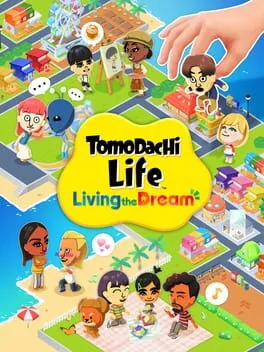
Tomodachi Life: Living the Dream
josiahg2502-glitch/TomodachiLife-recomp
An unofficial native Windows port of the Switch version, made by static recompilation: the game’s code is translated to C and compiled on your PC, with no emulator underneath. It is built on the runtime and tools of ssbu-recomp. An installer with a launcher finds your files and keys, recompiles the game (about 40 minutes the first time), and compiles the shaders for your GPU; afterwards you play from the launcher or a desktop shortcut. It supports versions 1.0.0 and 1.0.4, widescreen (ultrawide included), resolutions up to 4K and beyond, 60 fps by default, fast-forward, an in-game settings menu, save backup and restore, importing a save dumped from your Switch, LayeredFS-style romfs mods, mouse control, and Local Play (Mii exchange) over the network. The README says it can be played from start to finish as far as its authors know, and lists as open issues that very large islands (30+ residents) run slowly on some PCs, some sounds that are too loud, Local Play over the internet untested between two real routers, and that it only works on Windows. Version 1.0.0 is from November 2 (3 releases in total, the first from October 29); the installer and the zip weigh about 4.5 MB, and the README says they contain nothing of the game. 100 of its last 100 commits list Claude as a co-author.
You needYour own dump of the base game (.nsp, .nsz, or .xci, title 010051F0207B2000) and, optionally, the 1.0.4 update (.nsp or .nsz, 010051F0207B2800, version v262144); without it you get 1.0.0. A folder already dumped with exefs and romfs also works and needs no keys. Otherwise, your own prod.keys, dumped from your console with Lockpick_RCM. Plus 64-bit Windows 10 or 11, about 15 GB free, 8 GB of RAM or more (16 recommended), and a GPU with OpenGL 4.5 (mostly tested on NVIDIA).
⑂ Fork of PDEYVID/HWDER---mod-pt-br
Hyrule Warriors: Definitive Edition (blocker-3)
blocker-3/HWDER
HWDER: Hyrule Warriors: Definitive Edition on Windows and Linux PCs, recompiled from your own Switch copy, with no emulator and no game files in the repository. A setup wizard downloads private build tools (about 260 MB) and builds the game on your PC in several minutes (about 15 on a ROG Ally running Linux). Over the Switch version it adds optional 120 fps battles, resolution from 0.5x to 3x of 1080p or unlocked, ultrawide with the HUD kept in a centered 16:9 area, anisotropic filtering, FXAA, sharpening, remappable controllers with rumble and gyro, two-player local co-op on one PC, mod support (Switch LayeredFS layouts work as they are), 3.2, 4, or 6 GB of game memory, the game’s 1.0.1 update, save import, and its own F1 menu. It is a fork with about 380 commits of its own ahead of the project it comes from. Version 0.3.3 (pre-release) is from October 30. 94 of its last 100 commits list Claude as a co-author.
You needYour own game dump (.nsp) and your own prod.keys from your Switch, which are read on every start and never copied; optionally the 1.0.1 update. 64-bit Windows 10 or 11 with a Vulkan 1.2 driver and an AVX2 CPU, or x86-64 Linux with glibc 2.35 or later, Vulkan 1.3, AVX2, and Python 3; several GB free for the build.
Metroid Prime 4: Beyond
linuxopt/mp4-recomp
A static recompilation of the Switch version of Metroid Prime 4: Beyond for Linux, as a single AppImage. It builds on MZ Labs’ SwitchRecomp runtime: during first-run setup, the game’s code is recompiled on your machine into a native Linux library, and the console GPU’s work is translated to OpenGL. According to the README, it boots, plays, scans, and sounds right at a steady 60 fps on the test machine, with an AMD Radeon RX 9070 XT, and most rendering bugs and stutters are fixed. All tuning was done on AMD, so NVIDIA may show errors, and on the Steam Deck its author recommends lowering the internal resolution with FSR or capping at 30 fps. Some stutters remain when shaders compile in new areas, loading a save freezes for half a second, and the field of view slider doesn’t work yet. The Windows build is inherited from the upstream project and untested. The only release is v2026.11.02, from November 3. 53 of its 57 commits list Claude as a co-author.
You needYour own copy of Metroid Prime 4: Beyond for Switch (program 010019A01E2F2000) with the update whose main has build ID 8275FBE1…; the cartridge alone won’t do. Either the game’s .xci or .nsp with the update as .nsp and your prod.keys, or the extracted files (ExeFS and RomFS with the update applied); setup verifies all 445 RomFS files (26.9 GB). x86-64 Linux with glibc 2.38 or newer, Steam Deck included, a graphics driver with OpenGL 4.3 or later, SDL2, zlib, OpenH264 or FFmpeg for the videos, and about 30 GB free.

Super Mario Odyssey (Coz-0)
Coz-0/smo-recomp
A native Windows x64 version of Super Mario Odyssey (1.4.1), made by static recompilation: the game’s AArch64 machine code is translated ahead of play into C and compiled for the PC, and the console’s system, NVN graphics API (on Vulkan, with a Maxwell shader translator), audio, video, controllers, and file system are reimplemented by the project’s own runtime. It isn’t an emulator. It started from the design, lifter, and runtime of Denkishi’s ssbu-recomp. The README calls it an early, unfinished version and measures everything on a single development PC: a new game starts and the save file works, an automated test plays through Cap Kingdom to the first capture in Top-Hat Tower, another starts the game’s 176 stages and 100 scenarios across all kingdoms, and its author played by hand to Cascade Kingdom’s first checkpoint with an Xbox One controller, at about 60 fps. It has an amiibo menu (F1), in-window help, and screenshots (F12); what the 1.4.1 update added hasn’t been tested yet. It publishes no releases: you build it from the source. 99 of its last 100 commits list Claude as a co-author.
You needYour own copy of Super Mario Odyssey 1.4.1, dumped from your console: the program with the update, the RomFS with the update applied, and the update’s control data, already decrypted (no keys or firmware are needed). 64-bit Windows 10 or 11 and a Vulkan 1.3 GPU (developed on NVIDIA). To build it: LLVM/clang 9.0.0, Visual Studio 2019 Build Tools with Windows SDK 10.0.19041, the Vulkan SDK 1.4, SDL3, the WebView2 SDK, and Python 3.13.
Hyrule Warriors: Definitive Edition (sonsegajp)
sonsegajp/HWDER
HWDER: a static recompilation of Hyrule Warriors: Definitive Edition for Switch into a native Windows executable. The game’s ARM64 code is translated to C ahead of time and compiled; the runtime reads the code and assets straight out of your own dump at startup, without extracting anything to disk. For now it ships test builds, such as 0.1.2, which smooths out 60 fps and fixes issues on AMD graphics cards. All 5 of its commits list Claude as a co-author.
You needYour own dump of the base game (.nsp, title 0100AE00096EA000) and your console’s prod.keys. Plus 64-bit Windows 10 or 11, a Vulkan 1.2 graphics card, and a CPU with AVX2.
⑂ Fork of jmars125/xcx-recomp
Xenoblade Chronicles 2
jmars125/xc2-recomp
XC2 Recomp: a static recompilation of Xenoblade Chronicles 2, the 2017 Switch game, into a native Windows x86-64 application with a Vulkan renderer. It is a fork of XCX Recomp, itself built on TotK Recomp, Valiantsin Dzerakh’s Tears of the Kingdom recompilation; both are in the catalog. Its installer, XC2-Setup, builds the game on your PC from your files with a bundled llvm-mingw, and the result contains the game, so it is for your own use only. The README describes it as early development: starting a new game, cutscenes, and gameplay work on Windows with sound, text, and menus, at 60 fps by default (30 to 360 in the settings; above 60 is experimental). It supports update 3.0.1 and the Expansion Pass add-on content, and has an in-game settings menu (F1), a performance overlay (F10), keyboard, mouse, and gamepad support, and any resolution, ultrawide included. Mods made for emulators and VRR remain planned. It published four releases on November 4, 0.1.0 to 0.1.3, with Windows packages and a Linux AppImage. According to the README, most of the code and documentation is written by AI coding agents (Claude Code) under its author’s direction; 32 of its 71 commits list Claude as a co-author.
You needYour own copy of Xenoblade Chronicles 2 for Switch, dumped from your console: the base game and the 3.0.1 update as NSP files (the add-on content is optional), plus your console’s keys (prod.keys). Windows 10 or later, an x86-64 CPU with AVX2, a GPU with Vulkan 1.3 and VK_EXT_external_memory_host, and about 36 GiB free during setup (20 GiB after). There is also a Linux AppImage.
Super Mario Maker 2 (Apolinario-coder)
Apolinario-coder/MushroomMakerRecomp
Mushroom Maker Recomp is an experimental native Windows port of Super Mario Maker 2 (version 3.0.3), based on static AArch64-to-C recompilation. The game’s code is translated and compiled on your PC; a PC compatibility layer handles graphics (Vulkan, with resolution scaling, FSR 1 or NIS, and SMAA), input, audio, and operating-system calls. It offers 4K output, 120 FPS presentation (with simulation kept at 60 Hz), keyboard, mouse, and controller support, and integrates with Course World through the public MariOver service. The README warns that full-game compatibility has not been established and that crashes and visual differences may occur. Version 1.0 (October 26) is for Windows.
You needYour own complete Super Mario Maker 2 game files for Nintendo Switch with update 3.0.3 already applied (the update files alone are not enough). 64-bit Windows 10 or 11 with .NET Framework 4.8, a Vulkan 1.3-capable GPU, and an internet connection to fetch courses.
⑂ Fork of Hexveil404/PokeZ-ARecomp
Pokémon Legends: Z-A (TheMagnumChad)
TheMagnumChad/PokeZ-ARecomp-Online
Lumiose Online for ZA Recomp: a fork of Hexveil404’s native port, which recompiles the Switch’s ARM64 code ahead of time and reimplements the console’s operating system and GPU on top of Vulkan, that adds the Lumiose Online multiplayer mod. The mod’s binary sits in the repo and is translated to native code along with the game’s. Online play goes through a fixed relay server, not peer to peer, and brings text chat with keyboard or controller, voice chat with a microphone and noise suppression, a players menu, and native typing in the chat, the Market search, and Mail. It also adds camera distance from 50% to 200%, a touch mode on left Alt, and its own self-updating launcher. The author notes that voice quality and live multiplayer still need more testing. Linux x86-64 is experimental, aimed at the Steam Deck. v0.1.27 (November 8) is the latest of 12 releases. The README doesn’t say who made the mod. 35 of its 36 own commits are authored by Codex, from OpenAI.
You needYour own copy of Pokémon Legends: Z-A with update 2.0.2 and the DLC, which Lumiose Online requires: the already extracted exefs and romfs folders, or a dump (.xci or .nsp) with the prod.keys from your own Switch, plus its title.keys if asked for the DLC. Plus 64-bit Windows 10 (1903 or newer) or 11, or x86-64 Linux as an experiment, an x86-64 CPU with AVX2 (SSE4.2 works too, but slower), a Vulkan 1.2 or newer GPU, 8 GB of RAM (16 GB recommended), and about 12 GB free.

Pokémon Sword / Shield
raulzrrs/swsh-recomp
An unofficial native Windows port of Pokémon Sword and Shield, made by static recompilation: the game’s ARM64 code is translated to C and compiled for the PC, with a runtime standing in for the Switch (system services, NVN graphics on Vulkan, audio, and controllers). It is not an emulator. It is built on Let’s Go Recomp, which in turn comes from LAS Recomp. It offers any internal resolution (with supersampling), SMAA, 16x anisotropic filtering, FSR 1, the game’s 30 fps or 60 fps for the whole game (experimental), keyboard and controllers, LayeredFS-style romfs mods, and the Expansion Pass from your own DLC data. The README warns it is a work in progress: it has been tested with Sword 1.3.2 and its Expansion Pass on one PC (with an RTX 3080), Shield hasn’t been tested, and the game hasn’t been completed on this port. Known issues include hitches while shaders are prepared, the Expansion Pass not being set up from the launcher, memory use that grows, and the lack of online features. Its only release is 0.1.0 (a preview), from October 22, a zip that holds the launcher and the runtime and that we haven’t checked inside; the game is recompiled on your PC, which takes about 40 minutes. None of its last 100 commits list Claude as a co-author.
You needYour own copy of Pokémon Sword (1.3.2 is the most tested, with the update applied to the extracted files) or Shield (recognized but untested), extracted into exefs and romfs folders; .xci and .nsp files must be extracted first. Optionally, the Expansion Pass DLC data, packed by hand for now. Plus 64-bit Windows 10 or 11, an x86-64 CPU with AVX2, FMA, and BMI2, a Vulkan 1.3 GPU, about 5 GB of RAM while playing, and about 18 GB free (3 of them for the prepared shaders).
Astral Chain (swaymun)
swaymun/AC-Recomp
An experimental static recompilation of Astral Chain for macOS, with Linux and Windows ports in progress. The game’s Arm code is compiled ahead of time to C++ and built as a native program; the system services and the NVN graphics API are reimplemented on the host (NVN on Vulkan, with the shaders translated offline to SPIR-V), with no emulator or JIT. On macOS (Apple silicon, Vulkan on Metal through MoltenVK) it boots, gets through the opening sequence, character creation and the File 01 motorcycle chase at a stable 30 fps, with audio; on Linux and Windows it reaches that same chase. The README itself says the game can’t be played from start to finish and that saving and reloading are untested. It has a macOS launcher, FSR 1 upscaling, and experimental options for internal resolution and a 60 fps mode. v0.1.0 (macOS), from October 19, is the only release. It states that most of the code was written by Claude through Claude Code; 1 of its 2 commits lists it as a co-author.
You needYour own copy of Astral Chain 1.0.0 (base game, no update) as an NSP, with the keys from your own console; other versions are refused. On macOS, a Mac with Apple silicon, macOS 13 or newer, the Xcode Command Line Tools, Homebrew and about 25 GB free; the first build takes 30 to 90 minutes. The system fonts from your firmware are optional.
Metroid Prime Remastered (drakolordx7)
drakolordx7/MetroidPrimeRemasteredRecomp
An unofficial native Windows port of Metroid Prime Remastered, made by recompiling the Switch version 1.0.0. It is not an emulator: the game’s code is translated into C++ ahead of time, a runtime stands in for the Switch’s system services, and the NVN graphics API runs on Vulkan. The recompiler and runtime code lives in nxrecomp, included as a submodule; this repository holds the game program, the launcher, and the documentation. It comes with a launcher, a setup tool that prepares the game from your dump, mouse and keyboard controls, any resolution and aspect ratio, and high refresh rates. The project itself warns that only the start has been played by hand (the Frigate Orpheon and the beginning of Tallon IV, up to the Chozo Ruins’ Main Plaza): an automated check loads all 275 areas, but nobody has played the later ones. It has only been tested on a GeForce RTX 3080. The repository includes in docs/mpr reverse-engineering notes on the game (symbols, structures, and enumerations) as JSON. Version 0.1.5, from November 2, is a zip of about 306 MB that says it carries no game files and that we haven’t checked inside; it published 6 releases between October 24 and November 2.
You needYour own copy of Metroid Prime Remastered 1.0.0 (NSP, XCI, NSZ, or XCZ; updates and patches are not supported) and the prod.keys of your own console (and title.keys if the game was bought on another console). Plus 64-bit Windows 10 (1903 or later) or 11, a Vulkan 1.3 GPU, and about 14 GB of free disk space.
Super Mario Bros. 35
sm35recomp/sm35recomp
Turns your own dump of Super Mario Bros. 35 into a native program for macOS, Windows and Linux (iOS, iPadOS and Android from source): the game’s code is translated to C and compiled for your machine, its system calls run on a native runtime, and its graphics run on Metal or Vulkan. It isn’t an emulator. It is a fork of SMM2 Recomp, which shares its runtime and recompiler. The online service comes from Nextendo Network, a community server: sign-in, 35-Player Battle matchmaking, the battle relay and the results are implemented, and Course Practice, Special Battle and Daily Challenges work. The authors tested two-player matches through to the final ranking on a Mac and an iPad; Windows and Linux build but haven’t been tried on real hardware. v0.4.0 is from October 21. All 63 of its commits list Claude as a co-author.
You needYour own copy of Super Mario Bros. 35 with the 1.0.2 update (the NSP or XCI files, or the extracted ExeFS and RomFS folders), plus the prod.keys and firmware from your console, which are only read and never copied. A free Nextendo Network account with a linked Discord is needed, even for Course Practice. macOS 15 or newer on Apple silicon (Metal), or Windows 10/11 x86-64 with AVX2, or Linux with Vulkan 1.3.

Super Kirby Clash
xtamqispeak/KirbyRecomp
An experimental native Windows port, based on LASRecomp’s ARM64-to-C translator and Vulkan renderer. The game’s code is translated and compiled on your PC from your own ExeFS and RomFS; no game executables, assets, keys, generated code or precompiled game binaries are distributed. The README gives the state as alpha: the title screen, the opening story, the village, the quest, profile and shop menus, the first battle with its real-time timer, input, audio and local saves have been checked, and the three supplied modules translate into 79,391 native functions. Full battles and later stages haven’t been validated, and online services, purchases, multiplayer and downloaded content are unavailable. v0.3.0-alpha is from October 28; the download is a Windows setup program that carries portable Python and the build tools.
You needYour own ExeFS and RomFS folders extracted from your copy of Super Kirby Clash (title ID 01003FB00C5A8000); NSP or XCI files don’t work, nor do the asset folders alone. Only the main module build whose ID starts with c9649e053bd7be2751ef0b00e7c03f5d59695b94 has been tested; other revisions are unverified. Plus 64-bit Windows 10 or 11 with tar.exe, an AVX2- and FMA-capable CPU, and a Vulkan 1.3 GPU (only an RTX 4070 SUPER has been verified).

Yo-kai Watch 4++
ILFforever/YW4Recomp
An unofficial static recompilation of Yo-kai Watch 4++ (Switch update 2.2.0) into a native Windows program, in the style of N64Recomp: the game’s code is translated into C and compiled on your PC, with its own runtime and NVN on Vulkan. It goes further than an emulator does by replacing parts of the game’s renderer with its own code: resolution up to 4K, 16:10, 21:9, and 32:9 formats with the interface kept centered, PCSS soft shadows, TAA and SMAA, x16 texture filtering, upscaling with DLSS or FSR, frame generation, and 60, 120, or 144 fps. It is a work in progress that can’t yet be played from start to finish: it runs from boot through the start of a new game (logos, name entry, opening scenes, the Amano house, the town, the menus, and battles) and from late-game saves, but most of the game hasn’t been tried and missing effects and crashes are expected. Windows only; Linux is planned. It has no published releases. It states that Claude wrote most of the repository, and 100 of its last 100 commits list it as a co-author.
You needYour own copy of Yo-kai Watch 4++ with the last update, 2.2.0, from your own console: already extracted ExeFS and RomFS folders, or the NSP or XCI with your prod.keys (and title.keys for an NSP). The project only accepts that version, checked by the executable’s hash. Plus Windows with a Vulkan 1.3 GPU and an FMA3 CPU, Python 3.11 or later, a C11 compiler (Clang preferred), and, on the first build, a download of about 550 MB of FSR, DLSS, and Streamline.
The Legend of Zelda: Tears of the Kingdom (ZuanCrisp)
ZuanCrisp/Zelda-TOTK-Port
A static recompilation of The Legend of Zelda: Tears of the Kingdom into a native x86-64 application for Windows and Linux, with a Vulkan renderer; the repository calls it TotK Recomp. It is not an emulator: the game’s code is translated into C on your PC during setup, and the installer handles the whole process, including preparing the shaders. It supports updates 1.1.0, 1.2.1, and 1.4.3, with saves interchangeable between the last two, and reads NSP, XCI, NSZ, and XCZ files. According to the README, the game is playable on Windows and Linux, though visual bugs and crashes are expected. It offers 60 fps by default and up to 144 or the monitor’s refresh rate (experimental), custom resolutions, FSR 1, DLSS and DLAA (the setup downloads NVIDIA’s DLL), HDR10, 16:10, 3:2, 21:9, and 32:9 formats, anisotropic filtering, controllers with rumble and gyro, mods made for emulators, and Atmosphère cheats. The downloads are a zip of about 143 MB for Windows and an AppImage of about 229 MB for Linux, which say they carry no game data or code derived from it and which we haven’t checked inside. It published 8 releases between October 30 and November 4, the latest being 0.3.7. It states that most of the code is written by AI coding agents (Claude Code); 83 of its last 100 commits list Claude as a co-author.
You needYour own copy of Tears of the Kingdom from your own console: the base game (NSP, XCI, NSZ, or XCZ) and the 1.1.0, 1.2.1, or 1.4.3 update, with your prod.keys. Plus Windows 10 or later, or Linux 6.7 or later with glibc 2.34 or later, an x86-64 CPU with SSE4.2 (better with AVX2 and FMA), a GPU with Vulkan 1.3 and VK_EXT_external_memory_host, and about 36 GiB free during setup (20 GiB afterwards).
Super Mario Odyssey (toby-sym)
toby-sym/smo2pc
A Windows x64 version of Super Mario Odyssey (1.4.1) made by static recompilation: the game’s AArch64 code is turned into C ahead of time by a Python lifter and compiled with clang, and the project’s own runtime replaces the Switch system libraries, with the NVN graphics API on Vulkan and a Maxwell shader translator. It is not an emulator. It is a development fork of Coz-0’s smo-recomp that adds its own identity, build automation, and a lot of work on the Vulkan renderer. The README admits it is early and unfinished and says plainly what has been measured and what hasn’t: automated tests run through Cap Kingdom and more than 270 scenarios, and it has been played by hand from there to the first checkpoint of Cascade Kingdom, at 60 fps on the author’s PC; audio, videos, the Action Guide, and amiibo work, and there is no online play. It has no published releases or executable: you build it yourself from your own dump. 62 of its last 100 commits list Claude as a co-author.
You needYour own copy of Super Mario Odyssey 1.4.1 from your own console: decrypted folders, or the NSP or XCI of the base game and the 1.4.1 update with your prod.keys (and title.keys if needed). Plus 64-bit Windows 10 or 11, a Vulkan 1.3 GPU, LLVM/clang 9.0.0, Visual Studio 2019 Build Tools, the Vulkan SDK, SDL3, Python 3.13, and, for encrypted packages, the .NET SDK 8 or later.
Super Mario Odyssey (nmqx)
nmqx/smo-recomp
An unofficial native Windows x64 port of the Switch version, made by static recompilation: the game’s AArch64 code (54,214 functions in main) is translated ahead of time to C with its own lifter and compiled with clang, with a runtime standing in for the console (threads, files and saves, the NVN API on Vulkan with a translator for the GPU’s shader code, audio, controllers, videos, and offline system services). It is not an emulator. It is a fork of Coz-0/smo-recomp that adds the 1.3.0 update, frame interpolation (120 fps or one frame per monitor refresh, with an NVIDIA RTX 30 series or later), internal resolutions from 1080p to 4K, a launcher with those options, a shake button for pads without motion sensors, and performance work (according to its author, New Donk City’s streets go from about 20 fps to 60). According to the README it plays from the title screen through the kingdoms tried by hand, with saves, videos, amiibo, and sound; its scripted tests start every scenario of every kingdom (276 runs, no failures) and translate all 27,888 shaders. There are no online services and what 1.4.1 adds hasn’t been tried. It has no published releases; you build it on your PC. 97 of its last 100 commits list Claude as a co-author.
You needYour own dump of the game, version 1.3.0 or 1.4.1, made with a dumper that writes decrypted files (nxdumptool): exefs (with the update) and romfs (with the update applied, about 5.7 GB) folders, control.nacp, and optionally the manual and fonts. Plus 64-bit Windows 10 or 11, a Vulkan 1.3 GPU (developed on NVIDIA; interpolation needs an RTX 30 series or later), Python 3.13, LLVM/clang 9.0.0, Visual Studio Build Tools, the Vulkan SDK, SDL3, and the WebView2 SDK. The first build takes about 6 minutes.
Super Mario Odyssey (zzzarathustra-dev)
repo TBD
An unofficial native port of Super Mario Odyssey (version 1.0.0) for Windows, Linux, and macOS, called Power Moon Recomp. It is made by static recompilation on top of LAS Recomp: the game’s ARM64 code is translated into C ahead of time and compiled on your PC, while the Switch kernel, services, audio, and the NVN graphics API are reimplemented, with Vulkan on Windows and Linux and Metal on macOS. It is not an emulator. According to the README, the whole game has been played through on Windows and Linux, with bosses, the 2D and 8-bit sections, the ending, and the post-game, at 60 fps; the Mac version is a test build, with problems to be expected. It offers internal resolution up to 4x, FSR 1, ultrawide support, experimental frame interpolation for displays at 120 Hz or more, and mods. The downloads (a zip for Windows and an AppImage for Linux) carry no game code or data: the setup recompiles the code on your PC the first time; we haven’t checked their contents. Its repository is on GitLab, because its author says GitHub closed their account; version 0.2.0 is from November 3, and it published 8 releases between November 2 and November 3. It states it was made with heavy help from Claude; 4 of its 22 commits list it as a co-author.
You needYour own copy of Super Mario Odyssey 1.0.0, with no updates, extracted (exefs and romfs folders) from your own console. Plus Windows 10 or 11 (x64) or Linux (x64, glibc 2.35 or later) with an AVX2 CPU and a Vulkan 1.3 GPU, or macOS 15 or later on Apple silicon; 8 GB of RAM (16 GB recommended) and about 7 GB of free disk space.